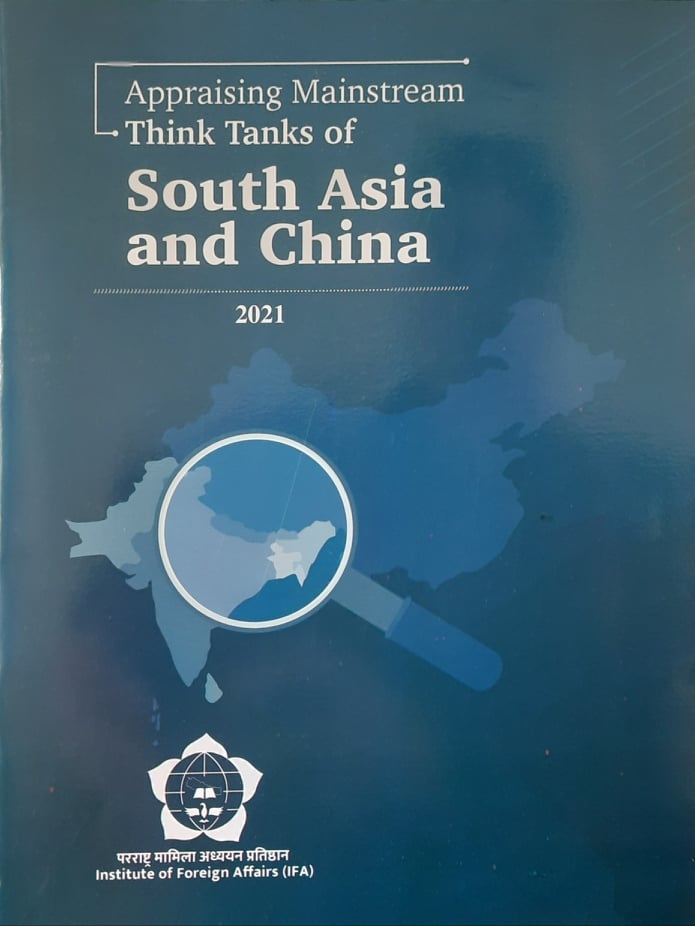
This report examines the role and relevance of think tanks in South Asia and China, highlighting their contributions to foreign policy, security studies, economic research, and development discourse. It explores the growing interaction and collaboration among regional think tanks, while identifying key challenges such as limited funding, political constraints, and weak research–policy linkages. The report underscores that despite structural and resource limitations, think tanks have significant potential to shape public policy, foster regional dialogue, and generate evidence-based recommendations. It also provides strategic recommendations for strengthening institutional capacity, including enhanced research collaboration, long-term program development, improved funding mechanisms, and greater engagement with policymakers. Ultimately, the study emphasizes the need to reposition think tanks as credible and influential actors in regional and international policy ecosystems.